



What You Need to Know About Wells, Septic Systems, and Zoning
Buying Land in Franklin County and the Pioneer Valley
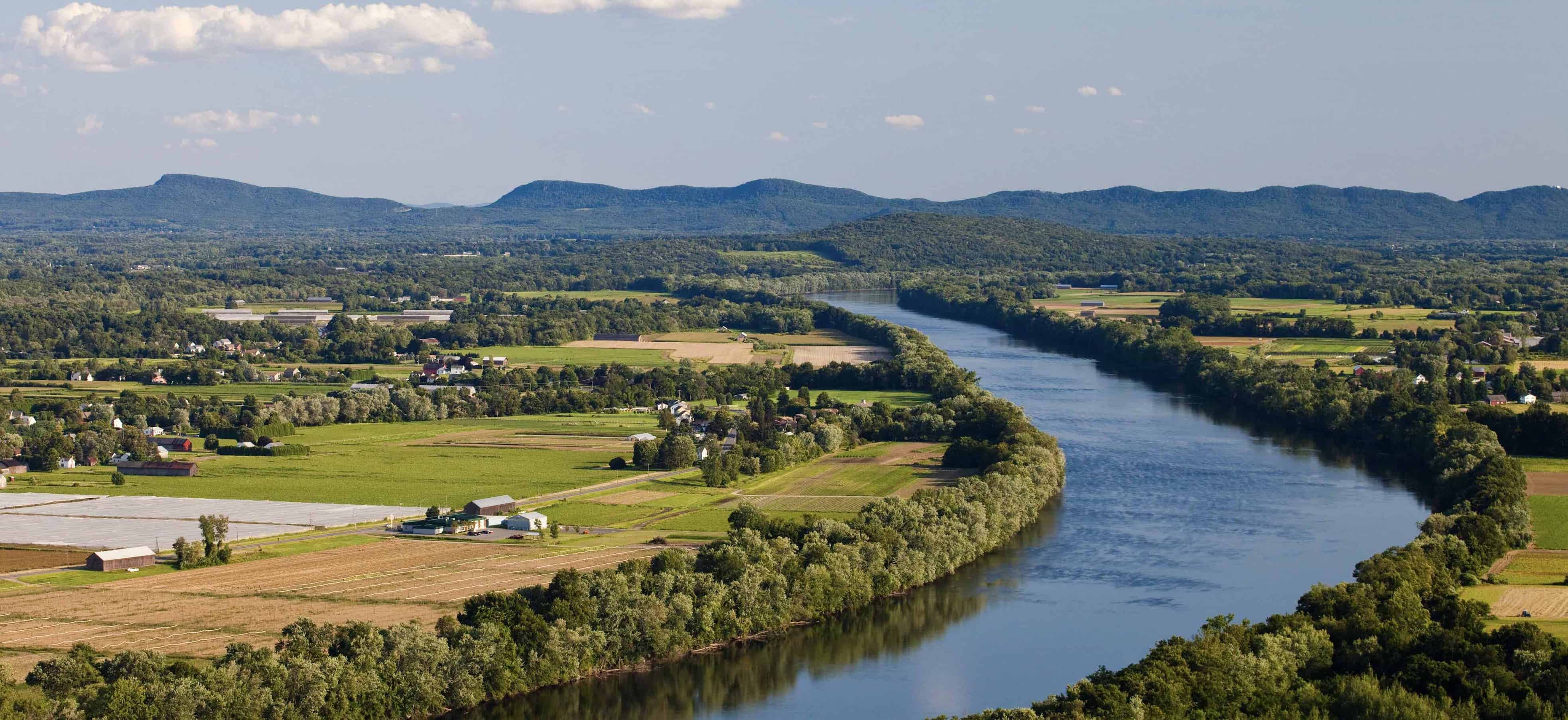
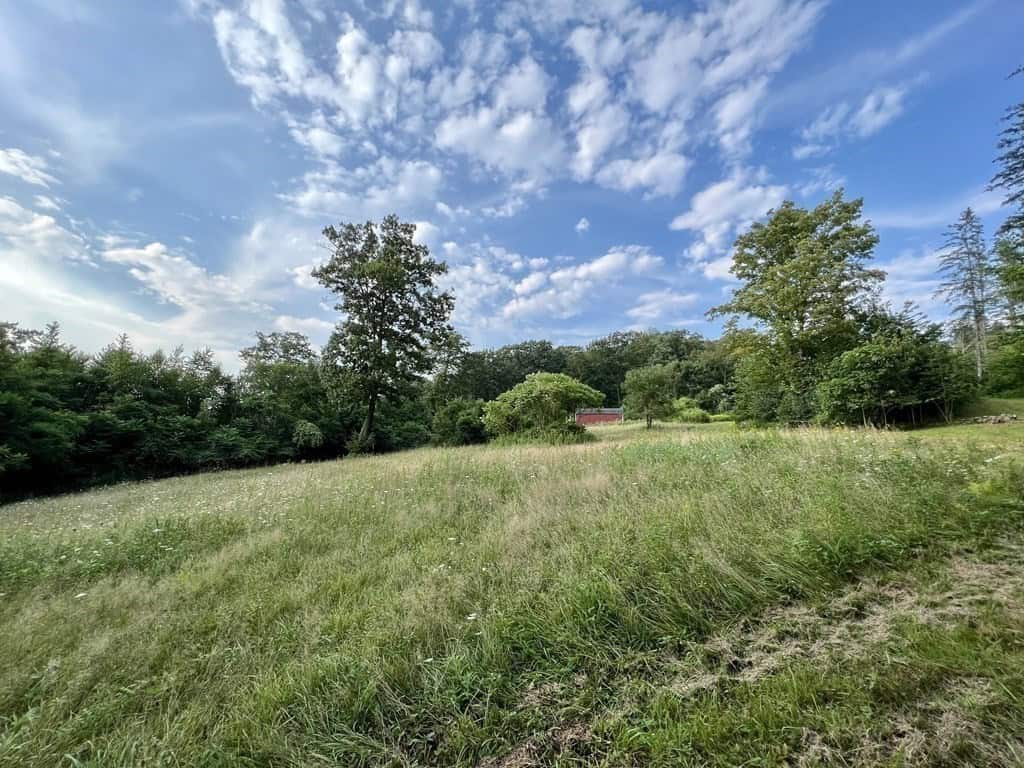
Buying land in Franklin County and the Pioneer Valley of Western Massachusetts can be an exciting opportunity. From the scenic hilltowns of Ashfield and Shelburne to the farmland of Deerfield and Sunderland, the region offers beautiful rural property, privacy, and access to nature.
However, purchasing vacant land is very different from buying an existing home. Before making an offer, it’s important to understand three key factors that determine whether a property can be built on: drilled wells, septic systems, and zoning regulations.
Drilled Wells
Most rural properties in Western Massachusetts are not connected to municipal water systems. Instead, homes rely on private drilled wells for their drinking water.
A drilled well is created by boring deep into the bedrock until groundwater is reached. Depth can vary widely depending on location and geology. In Franklin County, wells often range anywhere from 150 to 400 feet deep, though some can be deeper.
Septic Systems
Local regulations typically require a permit from the town’s Board of Health and water testing to ensure it is safe for drinking. Wells must also be located a safe distance from septic systems and property lines.
In most of Franklin County, homes are also not connected to public sewer systems. Instead, wastewater is treated through a private septic system regulated by Massachusetts Title 5.
A typical septic system includes a septic tank and a leach field where wastewater is filtered naturally through soil. Before a home can be built, the land must pass a percolation test, often called a perc test.
During a perc test, a licensed soil evaluator analyzes the soil and measures how quickly water drains through it. This determines whether the property can safely support a septic system.
Zoning Regulations
Each town in Franklin County has its own zoning bylaws which determine what can be built on a property. Zoning regulations typically address minimum lot size, road frontage requirements, building setbacks, and environmental protections.
Many rural towns require one to two acres or more to build a home and may require between 150 and 250 feet of road frontage.
Other factors to consider when buying land include access for driveways, availability of utilities, steep slopes, ledge, wetlands, and conservation restrictions.
Buying land in Franklin County and the Pioneer Valley offers the opportunity to build a home surrounded by natural beauty and rural character. Before purchasing, it is important to confirm that the property is buildable by evaluating well potential, septic suitability, zoning regulations, and environmental restrictions.
For more information about each town in Franklin County, click here. Each town has access to the town websites where you can review their bylaws. You can also learn more about septic systems and wells and other information visit Wanda's property resource page here.
Search for land and country properties for sale in Western Massachusetts, sign up to receive property alerts, visit WandaMooney.com.
For more information about community happenings and real estate news visit Wanda's Blog at www.wandamooney.com/blog, or feel free to contact Wanda for professional real estate assistance.




Connect