




If you own a home in Western Massachusetts or you are thinking about buying one, property taxes are an important part of the equation. But many homeowners and buyers aren't exactly sure how property taxes are calculated, why assessed values change, or why two similarly priced homes in neighboring towns can have very different tax bills.
With 351 cities and towns in Massachusetts, property taxes are very local. Here in Western Massachusetts, tax rates can vary considerably from one community to another.
So, how does it all work?
Your Assessed Value Is the Starting Point
Every city and town in Massachusetts has a local Board of Assessors responsible for determining the value of taxable property within the community.
Massachusetts law requires property to be assessed at 100% of its full and fair cash value, essentially its fair market value. Assessments are made as of January 1 each year.
Assessors don't simply look at what one particular house might sell for. They use a process known as mass appraisal, analyzing property information and market activity throughout the community to establish values in a fair and consistent manner.
- Recent sales of comparable properties

- Location
- Lot size and acreage
- Square footage and living area
- Age and style of the home
- Number of bedrooms and bathrooms
- Outbuildings, garages and other improvements
- Overall property characteristics
- Supply and demand within the local real estate market
In rural Western Massachusetts, this can become particularly interesting because our properties are often anything but cookie-cutter. A farmhouse on 40 acres, a log home on a country road, a village Victorian, a newer energy-efficient home and a house with a barn and substantial acreage can all require very different valuation considerations.
Assessed Value vs. Market Value
This is probably one of the most common questions I receive.
Your assessed value should not be used by itself to determine what your house will sell for.
While Massachusetts assessments are intended to reflect fair cash value, the assessing process and a real estate market analysis serve different purposes.
When I determine a potential listing price for a property, I look closely at current and recent comparable sales, competing properties, location, condition, improvements, acreage, buyer demand and what is happening in the market right now.
The assessor is valuing properties throughout an entire municipality for taxation purposes. A real estate professional is evaluating a particular property to determine its likely value in the current marketplace.
That distinction is important—especially in a changing real estate market.
How Is Your Actual Tax Bill Calculated?
Once the assessed value is established, the municipality's tax rate is applied to that value.
Tax rates in Massachusetts are generally expressed as an amount per $1,000 of assessed value.
For example, if a home is assessed at $400,000 and the residential tax rate is $15 per $1,000:
$400,000 ÷ 1,000 = 400
400 × $15 = $6,000
The annual property tax would therefore be approximately $6,000.
This is why looking at the tax rate alone doesn't tell the whole story. You need to consider both the assessed value and the tax rate.
Why Do Tax Rates Differ So Much Between Towns?
Every municipality has its own budget, tax base and financial needs.
Property taxes help fund local services such as schools, police and fire departments, road maintenance, libraries, municipal employees and other community services.
A town with a substantial commercial tax base may have a very different situation from a small rural community where residential property owners make up most of the tax base.
Massachusetts' Proposition 2½ also limits the amount of property tax revenue municipalities can generally raise. However, new growth and voter-approved overrides and exclusions can affect the amount a community is permitted to levy.
This is one reason property taxes can look very different when you cross from one Western Massachusetts town into another.
A Higher Assessment Doesn't Automatically Mean Your Taxes Increased by the Same Percentage
This is another important point.
Suppose your home's assessment increases by 10%. That does not necessarily mean your property tax bill will increase by 10%.
Assessments are used to determine how the community's overall property tax burden is distributed among property owners. If values throughout town rise substantially, the tax rate may change as well.
The final tax bill depends on both your property's assessed value and the municipality's tax rate.
What Happens After You Renovate or Improve Your Property?
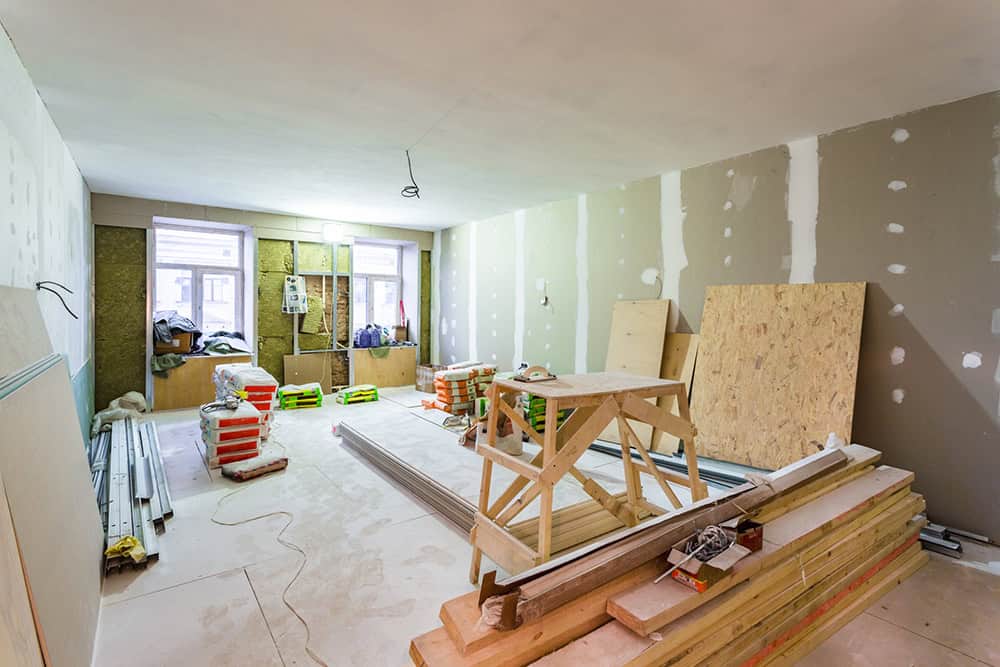 Significant improvements can affect your assessed value.
An addition, new garage, finished living space or other major improvement may add value to the property. Local assessors track building permits and property changes as part of the assessment process.
Routine maintenance, however, isn't necessarily treated the same way as adding substantial new living space or making a major physical improvement.
If you have questions about how a particular project may affect your assessment, your local assessor's office is the best place to ask.
What If You Think Your Assessment Is Wrong?
Start by reviewing your property's assessment record.
Check the basic information carefully. Is the square footage correct? Is the acreage accurate? Are the number of bedrooms and bathrooms correct? Does the record show improvements or features that don't actually exist?
If something appears incorrect—or you believe the assessed value is too high—you can speak with your local assessor's office.
Massachusetts also provides a formal abatement process for property owners who believe a property has been overvalued, incorrectly classified or otherwise improperly assessed. There are strict filing deadlines, so homeowners considering an abatement should contact their local assessor promptly after receiving the actual tax bill.
A Tip for Western Massachusetts Homebuyers
When you're comparing homes, don't look only at the purchase price. Look at the annual property taxes, too.
A $500,000 home in one community could have a noticeably different annual tax bill than a similarly priced home just a few miles away in another town. Over five or ten years of ownership, that difference can become significant.
I also recommend looking at the current assessment and tax bill as part of your overall research, but remember that the seller's existing tax bill isn't necessarily a guarantee of what taxes will be in future years.
Local Knowledge Matters
One of the things I love about selling real estate in Western Massachusetts is that every town and often every property is a little different. From
Greenfield and Deerfield to Shelburne Falls, Ashfield, Conway, Charlemont, Heath and the surrounding hilltowns, understanding the nuances of individual communities is an important part of buying or selling real estate here. Property taxes are just one piece of that puzzle, but they're an important one.
If you're considering buying or selling a home in Franklin County or the surrounding Western Massachusetts area and have questions about property values, assessments or how taxes may factor into your real estate decision, I'm always happy to help.
This article is intended for general informational purposes. Property assessments and tax policies vary by municipality. For questions regarding a specific assessment, exemption or tax bill, contact your local Board of Assessors.




Connect